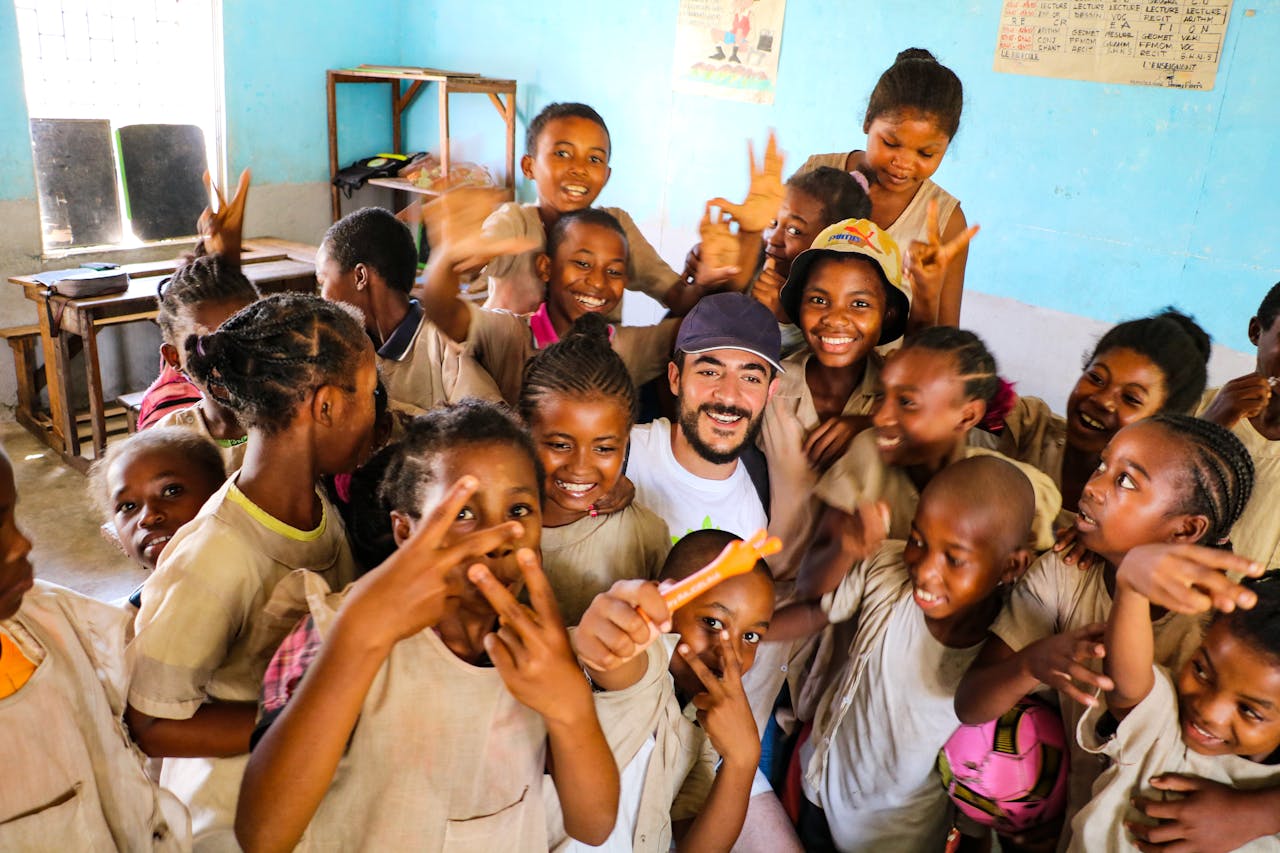
In the relentless battle against poverty, education stands as the most potent weapon in our arsenal. It is not merely a means of acquiring knowledge but a transformative force capable of breaking the vicious cycle of poverty that grips communities worldwide. Education empowers individuals, families, and entire societies, offering a pathway to prosperity, opportunity, and equality. In this article, we delve into the pivotal role of education in disrupting the chains of poverty and fostering sustainable development.
Education: A Catalyst for Change
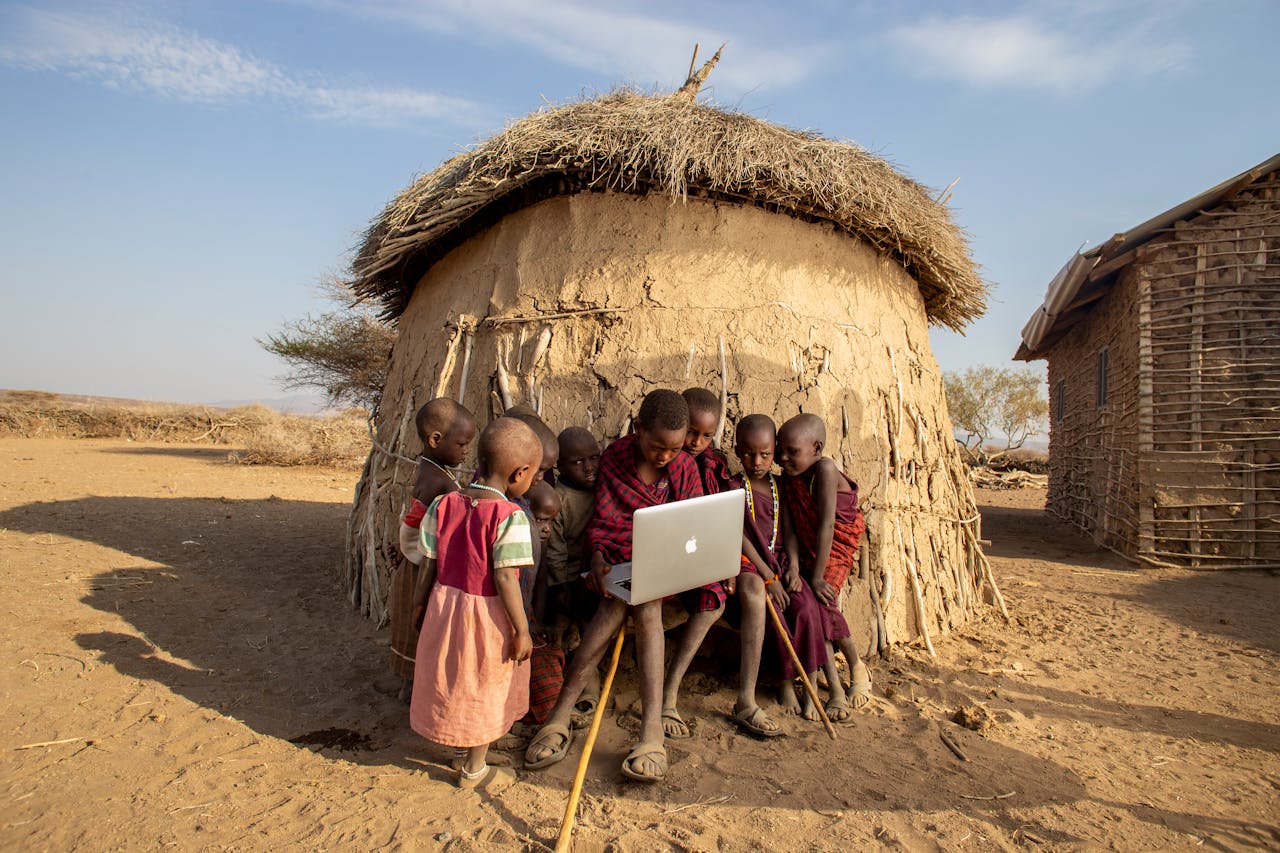
Education serves as a catalyst for social and economic progress, providing individuals with the tools they need to escape the shackles of poverty. By equipping people with essential skills, knowledge, and critical thinking abilities, education opens doors to employment opportunities, higher incomes, and improved standards of living. Moreover, it cultivates a sense of agency and self-determination, enabling individuals to chart their own destinies and break free from the cycle of intergenerational poverty.
Breaking Generational Patterns
One of the most profound impacts of education is its ability to break generational patterns of poverty. When children from disadvantaged backgrounds have access to quality education, they gain the opportunity to transcend the circumstances of their birth and pursue brighter futures. By investing in education, we invest in the next generation, empowering them to achieve their full potential and become agents of positive change within their communities.
Addressing Systemic Inequalities
Education serves as a powerful tool for addressing systemic inequalities that perpetuate poverty. By promoting equal access to education for all, regardless of socio-economic status, gender, or ethnicity, we can level the playing field and create a more just and equitable society. This requires not only ensuring that schools are adequately resourced but also addressing barriers such as discrimination, violence, and social exclusion that hinder educational attainment for marginalized groups.
Beyond the Classroom
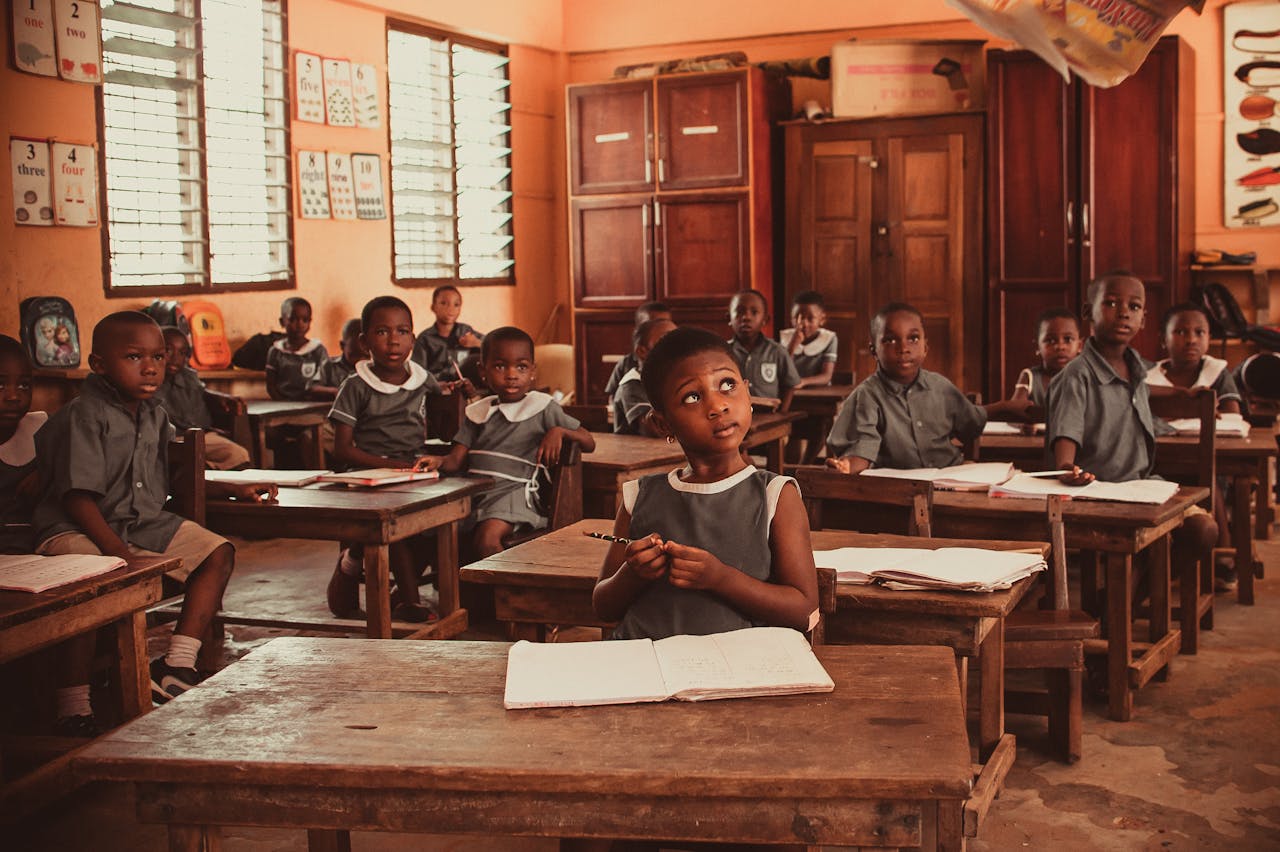
The impact of education extends far beyond the confines of the classroom. It fosters critical thinking, creativity, and innovation, empowering individuals to solve complex problems and adapt to a rapidly changing world. Moreover, education promotes health and well-being, reduces crime and violence, and strengthens democratic institutions. By investing in education, we invest in the overall prosperity and stability of society.
Challenges and Opportunities
While education holds immense promise as a tool for poverty alleviation, significant challenges remain. Persistent barriers such as lack of access, quality, and relevance continue to hinder educational outcomes for millions of children and adults around the globe. Addressing these challenges requires coordinated efforts from governments, civil society, and the private sector to prioritize education, allocate resources effectively, and implement evidence-based policies.
Conclusion
In conclusion, education is not merely a luxury but a fundamental human right and a powerful catalyst for social and economic development. By investing in education, we can break the cycle of poverty, empower individuals and communities, and build a more prosperous and equitable world for all. It is imperative that we prioritize education as a key component of our efforts to achieve sustainable development and create a brighter future for generations to come.
